
Most homeowners who get burned by a storm chaser sign the contract within 48 hours of the hailstorm. An out-of-town crew knocks on the door, points at the neighbors' roofs, promises to "take care of everything with insurance," and disappears months later with the payout and the work unfinished. The Texas Department of Insurance's storm recovery guidance tells you the same thing in plainer terms: get multiple bids, compare them against your adjuster's report, and never let a contractor touch your deductible.
This guide explains what storm chasers are, why they show up in Katy, Cypress, and Fulshear after every hail event, the 7 warning signs that you are talking to one, and what Texas law says about the most common trick they use.
What Is a Storm Chaser in Roofing?
A storm chaser is a roofing contractor who travels from city to city following storm damage rather than working in a home base. The crew arrives days after hail or a hurricane, works the neighborhood door to door, collects insurance claim work at high volume, then leaves when the claims run out. Warranty service, callback requests, and warranty repairs go with them.
Not every out-of-town roofer is a scammer. The problem is the business model. A contractor with no local presence has no reputation to protect, and post-disaster contractor fraud is a documented pattern after major hurricane and wildfire events.
What separates a storm chaser from a real contractor
- A real contractor has a permanent local address and a crew you can find next year
- A storm chaser has a truck, a magnet sign, and a temporary phone number
- A real contractor earns one roof at a time and gives you a written estimate
- A storm chaser earns whole neighborhoods at a time and pushes you to sign today
Why Do Storm Chasers Target Texas Neighborhoods?
The greater Houston area sits in one of the most active hail corridors in the country, and the Gulf hurricane season reloads the target list every year. One hailstorm over west Houston can damage tens of thousands of roofs in a single afternoon. That concentration is exactly what the storm-chaser model needs.
Katy, Cypress, Richmond, Sugar Land, and Fulshear get hit repeatedly because of where they sit. When the door-knocking starts the day after a storm, the crew is not responding to your call. It is working a list, and your street is on it.
7 Warning Signs of a Storm Chaser Scam
1. They knock on your door the day after the storm
Legitimate roofers are usually booked. A crew that appears uninvited, right after hail or wind, is canvassing the neighborhood for insurance work before local companies can even get ladders up. You did not call them. That is the first sign.
2. They offer to waive or "eat" your deductible
This is the classic pitch, and in Texas it is illegal. A contractor who opens the relationship by breaking the law on your deductible is telling you exactly how the rest of the job will go.
3. There is no local address and no local references
Ask where the office is. Ask for three roofs they did within 20 miles, from before this storm. A storm chaser can produce a contract but not a driveway you can drive past.
4. They want a large deposit or full payment upfront
Material deposits happen. Demanding most of the money before work begins, or routing your insurance check through their account, is how homeowners end up paying for a roof that never gets finished.
5. They pressure you to sign today
"This price is only good today." A roof is not an impulse buy. High-pressure, sign-now tactics are a red flag TDI specifically warns about, and they exist because the offer falls apart under a night of sleep.
6. They promise insurance will cover everything
Nobody can promise what your adjuster will approve before the inspection happens. A contractor who guarantees your claim is either guessing or planning to inflate it, and both cost you.
7. The contract is vague or has blank line items
Line items for "roof repair" with no scope, blank spaces filled in later, or a contingency agreement that lets the contractor file the claim as your representative. If you cannot tell what you are buying, do not sign it.
Is It Legal in Texas for a Roofer to Waive Your Deductible?
No. Since September 2019, Texas law (HB 2102) has prohibited roofing contractors from paying, waiving, or rebating a homeowner's insurance deductible, and advertisers who offer it can lose their license. The deductible is your legal share of the claim, and a contractor who "absorbs" it has to recover it somewhere, usually through inflated scope or cut corners.
Our guide to the Texas roofing deductible law breaks down what the rule means for your claim. The short version: any roofer who offers to waive it is offering something the state took off the table.
How Do You Verify a Roofing Contractor After a Texas Storm?
Step 1: Slow the conversation down
You have time. Damage documentation matters more than speed, and temporary repairs like tarping protect the roof while you decide. Keep receipts for anything you pay for, because your insurer may reimburse reasonable temporary repairs.
Step 2: Check for a real local footprint
Look for a physical address you can visit, reviews with history, and roofs they completed in the area before the storm. A local company has neighbors who can tell you how the job went.
Step 3: Get multiple bids and compare them
TDI's guidance after a storm is to get several bids and compare them against your adjuster's report before you settle. Bids should be written, itemized, and close enough in scope that you can compare them line by line.
Step 4: Have your roofer meet the adjuster with you
A legitimate contractor wants to be at the adjustment meeting to make sure the scope matches the actual damage. Our walkthrough of the roof insurance adjuster meeting covers what that meeting should look like.
Step 5: Read the contract before signing
Scope of work, materials, timeline, payment schedule, and warranty terms in writing. Anything blank gets filled in before you sign, not after.
What If a Storm Chaser Already Has Your Signature?
Act quickly and in writing. Send a cancellation notice by whatever method your contract specifies, keep a copy, and stop any work authorization you signed. If money already changed hands or the crew will not release you, TDI takes consumer complaints and can point you to the right next step.
Call your insurance company before anyone orders materials on your claim. A claim tied to a bad contractor is easier to pause early than to unwind after the check is issued.
Why a Local Roofer Still Answers the Phone a Year Later
The difference between a storm chaser and a local roofing company shows up 12 months after the job, when the warranty call happens. A roofer based in Katy has to answer that call, because their next customer is your neighbor. Workmanship problems, a missing shingle tab, a question about the warranty, all of it lands on a business that is still here.
That is the real test for any roofing decision, storm or not. The crews that chase storms are betting you will never find them again, and the ones that are local are betting you will.
Storm Chaser Scam FAQs
How do I know if a roofing company is a storm chaser?
A storm chaser shows up uninvited right after a storm, has no permanent local address, cannot provide local references from before the storm, and pushes you to sign quickly. If the company's entire presence is a truck and a phone number that showed up this week, treat it as a storm chaser until proven otherwise.
Can a roofer legally waive my deductible in Texas?
No. Texas law has barred roofing contractors from paying, waiving, or rebating insurance deductibles since September 2019, and offering to do it is a red flag about how the contractor runs the rest of the job.
What should I do if a storm chaser knocks on my door?
Take their card, do not sign anything, and get your own inspection from a local roofer first. Document your damage, let your insurer see it, and compare multiple bids before choosing anyone, including the person standing on your porch.
Should my roofer meet my insurance adjuster?
Yes. Having your contractor at the adjuster meeting keeps the damage scope accurate and helps the claim reflect the real repair cost. Choose a roofer you would trust in that meeting before the meeting gets scheduled.
Get a Straight Answer Before You Sign Anything
If a storm knocked on your door before we did, start with a real inspection from a local crew. Blue Rhino Roofing documents storm damage the way adjusters need to see it, handles storm damage roof repair by the book, and never waives deductibles because that is what the law, and your roof, deserve.
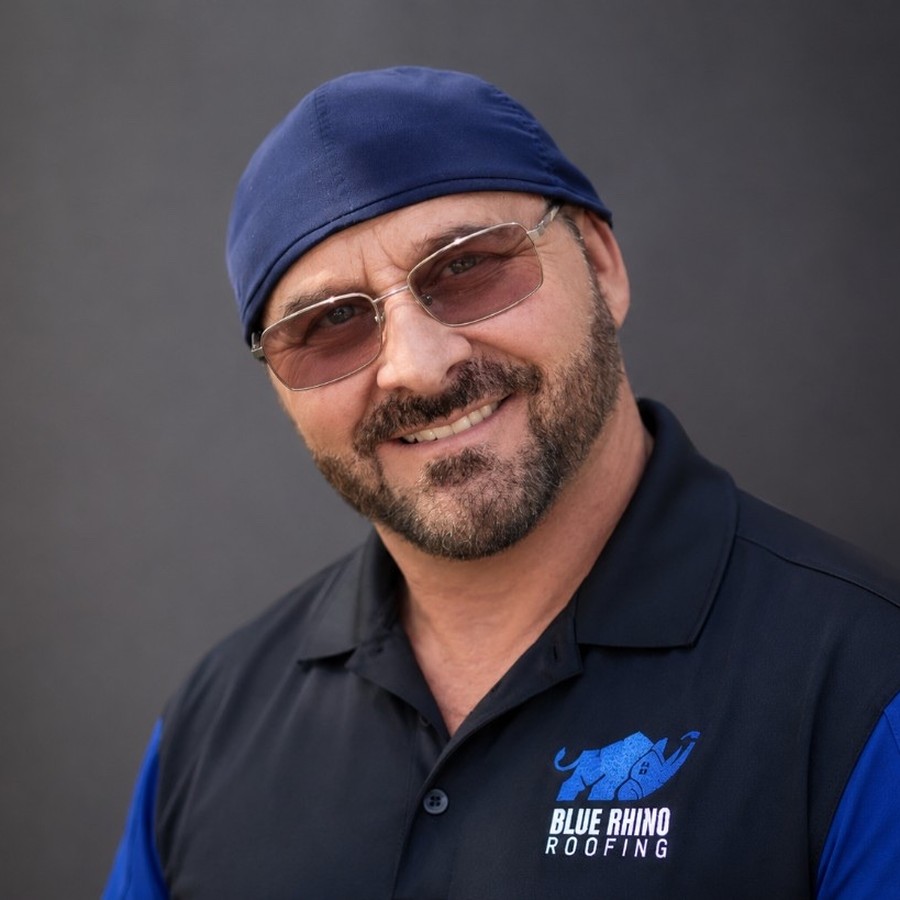
Shawn Swearingen
Shawn Swearingen leads Blue Rhino Roofing, a BBB A+ accredited, Texas-licensed roofing company based in Katy. He's on the roof and on the phone, and known for telling homeowners the straight truth about whether they need a repair or a replacement.