
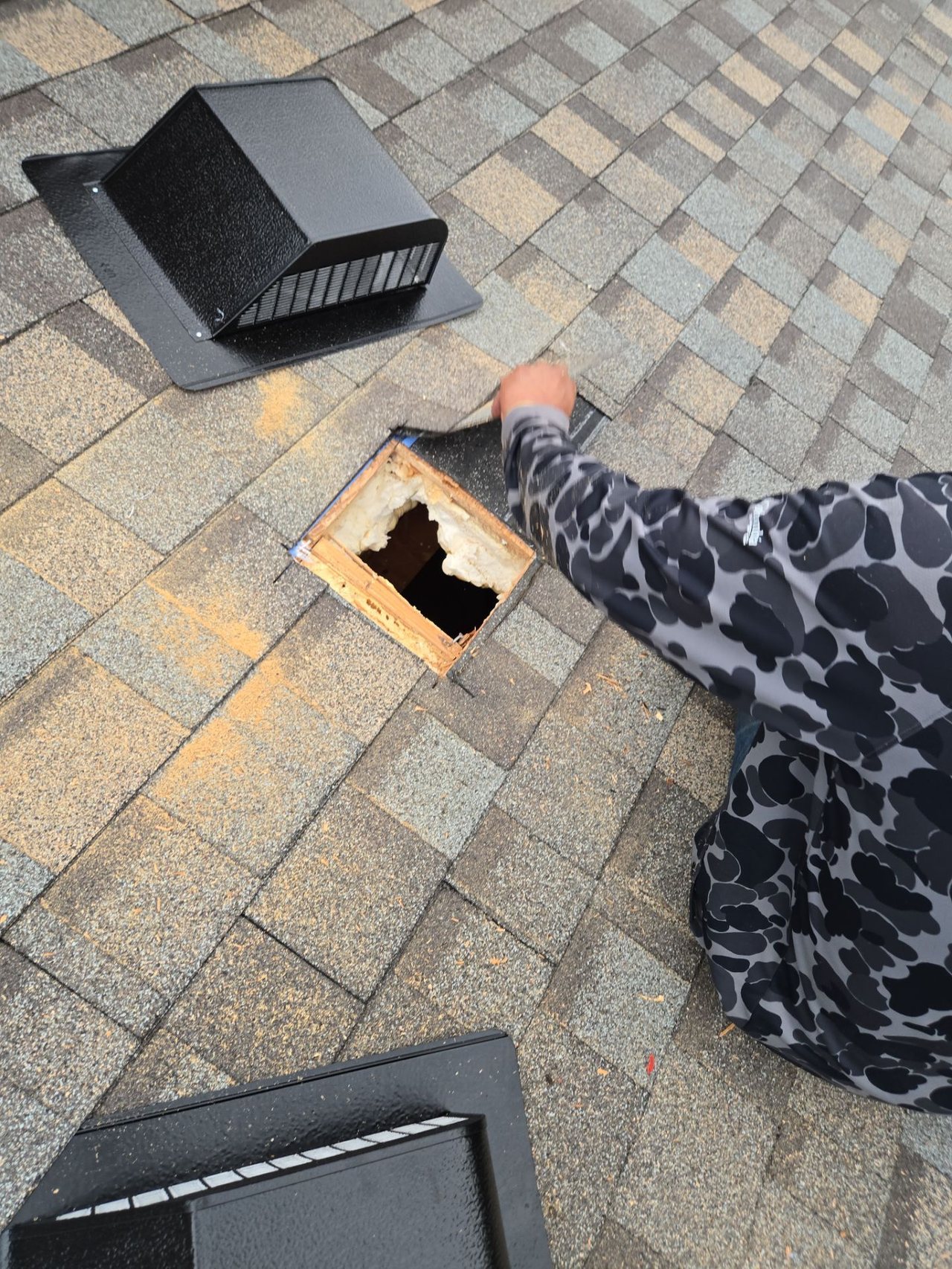
You will see big lifespan numbers on shingle wrappers, 30 years, even 50. Those are lab numbers, and Texas is not a lab. Between relentless sun, sudden hail, high humidity, and Gulf Coast wind, roofs here tend to live shorter, harder lives than the box promises. Here is how long each common roof type really lasts around Katy, and what you can do to get more years out of yours.
Why Texas is hard on roofs
Three forces do most of the aging:
- Heat and UV. Long, brutal summers bake shingles, dry out the asphalt, and accelerate granule loss.
- Hail and wind. A single bad storm can take years off a roof, or end it outright.
- Humidity. Moisture and heat together encourage algae, trapped attic humidity, and faster decking wear.
That is why a roof rated for 30 years up north might give you closer to 18 to 22 here, even when it is installed well.
Realistic lifespans by roof type
| Roof type | Realistic Texas lifespan | Notes |
|---|---|---|
| 3-tab asphalt shingle | 12 to 18 years | Budget option, least heat and wind tolerance |
| Architectural shingle | 18 to 25 years | The common Katy choice; better wind rating |
| Metal | 40 to 60 years | Excellent heat and storm performance |
| Clay or concrete tile | 50+ years | Very durable; underlayment needs periodic attention |
If you are weighing materials for a replacement, our breakdown of shingle vs. metal vs. tile compares cost, looks, and storm performance side by side.
"Treat the wrapper number as a best case in mild weather. In Katy, sun and hail set the real timeline. A well-installed, well-ventilated architectural shingle roof giving you twenty good years is a solid outcome here."
Shawn Swearingen, Blue Rhino RoofingWhat shortens a roof's life
- Poor attic ventilation, traps heat and moisture, cooking shingles from below.
- Skipped maintenance, small issues left to grow into big ones.
- Storm damage left unaddressed, a bruised, granule-stripped roof ages fast.
- Cheap installation, wrong fasteners, no proper underlayment, or shortcuts on flashing.
What extends it
You have more control than you might think:
- Proper attic ventilation and insulation.
- Annual inspections and a simple maintenance routine.
- Prompt repairs after storms, before damage spreads.
- Quality materials and a careful, code-correct installation.
Signs your roof is near the end
- Widespread curling, cracking, or bald spots.
- Heavy granule loss showing the dark mat beneath.
- Repeated or spreading leaks.
- The roof is past its expected age for its type.
- Daylight or moisture in the attic.
The bottom line
In Texas, plan for the lower end of those ranges, and let ventilation, maintenance, and prompt storm repairs push you toward the higher end. If your roof is getting up there in age or you are seeing the warning signs, a free inspection will tell you honestly how much life is left. Learn the broader signs you need a new roof, see how we handle a roof replacement, or book a free inspection. You can also call Shawn Swearingen at 346-733-8558.

Shawn Swearingen
Shawn Swearingen leads Blue Rhino Roofing, a BBB A+ accredited, Texas-licensed roofing company based in Katy. He's on the roof and on the phone, and known for telling homeowners the straight truth about whether they need a repair or a replacement.