
The adjuster inspection is the most important hour of your entire roof claim. It is when one person, your insurer's field adjuster, climbs your roof, decides what counts as storm damage, and writes the estimate your settlement is based on. Knowing what happens, and having your roofer there, makes all the difference.
An insurance adjuster works for your insurance company. That does not make them an adversary, most are professionals doing an honest job, but they are inspecting a lot of roofs quickly, and they can only approve what they actually see and document. That is precisely why a good contractor should be on the roof with them.
What an adjuster does on your roof
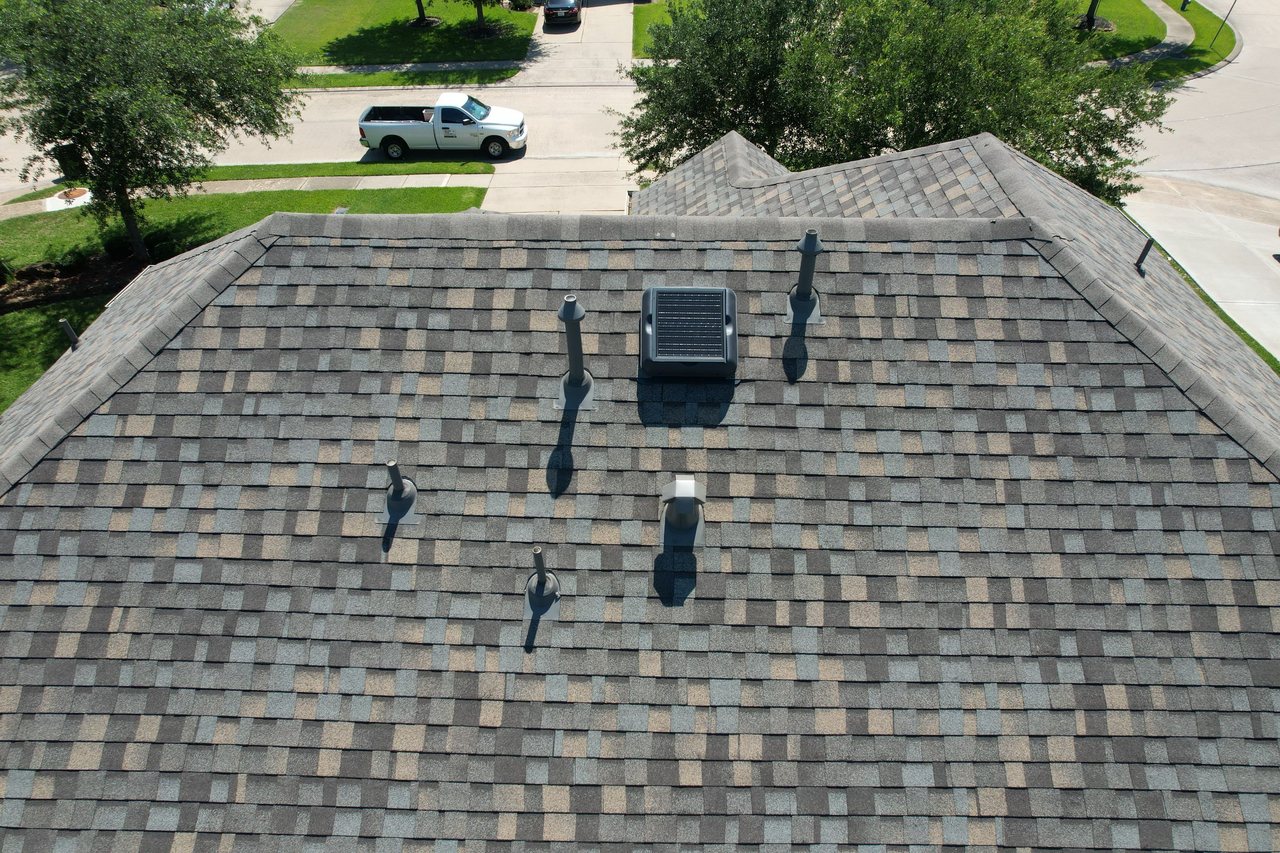
The adjuster walks the roof, looks for storm-caused damage, and measures it. On a hail claim, they often chalk off a test square (typically 10 feet by 10 feet) and count the qualifying hits inside it to judge whether the slope has a "full" loss. They check soft metals like vents and flashing for dents, inspect for wind-creased or missing shingles, and note the roof's size, pitch, and layers.
What they are deciding
- Is the damage from a covered storm, or from age and wear?
- Is it widespread enough to warrant replacement, or a repair?
- What does the scope and the estimate include?
- What is the actual cash value versus the replacement cost (see ACV vs. RCV)?
Why your roofer should be there
When your roofer meets the adjuster on the roof, both people look at the same hits, the same flashing, the same creases, at the same time. A reputable roofer is not there to argue or pad the claim. They are there to make sure nothing legitimate gets missed and that the damage is understood the same way by both sides. This single step prevents most claim disputes before they start.
"I am not on the roof to fight the adjuster. I am there so we both see the same thing. Ninety percent of claim disputes come from damage one side never saw. Stand on the roof together and that just goes away."
Shawn Swearingen, Blue Rhino RoofingHow to prepare for the meeting
| Stage | What to do |
|---|---|
| Before | Have your claim number, your photos, and your roofer scheduled to attend |
| During | Let your roofer and the adjuster walk the roof; note interior damage too |
| After | Get the scope of loss in writing and review it line by line |
| If items are missed | Your roofer documents and files a supplement |
After the inspection
The adjuster sends a written scope of loss and a settlement summary. Read it carefully. If hidden decking damage shows up at tear-off, or code-required items were left out, those are added through a documented supplement, not a fight. If the claim comes back denied or far lower than the visible damage suggests, you still have options, see what to do if your roof claim is denied.
Bring these to the adjuster meeting
- Your claim number and date of loss
- Photos of exterior and interior damage
- Your roofer, on site and on the roof
- A notepad for the scope details they describe
- Questions about ACV, RCV, and your deductible
The bottom line
The adjuster meeting sets the tone for your whole claim. Show up prepared, document the interior as well as the roof, and have your roofer there so the damage is seen accurately the first time. If a storm hit your Katy-area home, our roof insurance claim help includes meeting your adjuster on the roof. Want us there? Call Shawn Swearingen at 346-733-8558 or book a free inspection first.

Shawn Swearingen
Shawn Swearingen leads Blue Rhino Roofing, a BBB A+ accredited, Texas-licensed roofing company based in Katy. He's on the roof and on the phone, and known for telling homeowners the straight truth about whether they need a repair or a replacement.