
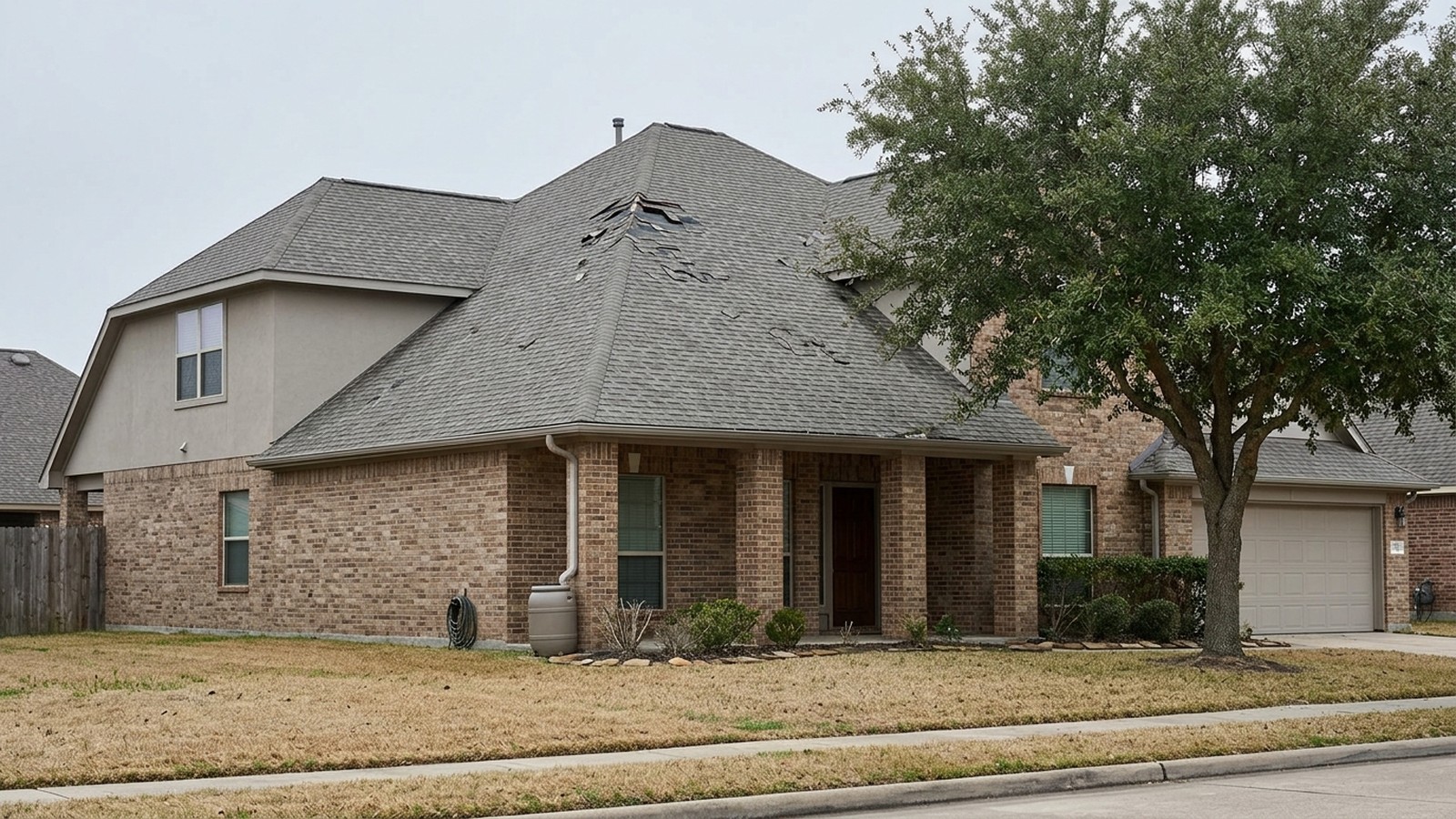
Texas puts deadlines on your insurance company as well as on you: the carrier generally has 15 days to acknowledge your claim, 15 business days after it has all the information it needs to accept or deny it in writing, and five business days after agreeing to pay to send the payment. Those are the numbers the Texas Department of Insurance publishes, and most homeowners have never heard them.
That matters because a roof claim is the one part of storm recovery where waiting feels normal. This guide covers what the clock actually is at each step, what legitimately stops it, and what you can do when a claim has gone quiet. It is general information about how the process works in Texas, not legal advice, and your own policy governs your own claim.
What deadlines does a Texas insurance company have on a roof claim?
The Texas Department of Insurance's home insurance guide sets out the claim-handling steps in plain language. The company must tell you that it got your claim within 15 days, accept or deny your claim within 15 business days of getting all the information it needs from you, and send you a check within five business days after it agrees to pay.
| Step | The deadline | What it depends on |
|---|---|---|
| Acknowledge your claim | 15 days | Runs from when you file |
| Request information from you | Part of that same acknowledgment | The company asks for what it reasonably needs |
| Accept or deny in writing | 15 business days | Runs from when the company has all the information it needs, not from when you filed |
| Extension when more time is needed | Available | The company must tell you it needs more time and why |
| Payment after agreeing to pay | 5 business days | Runs from the acceptance, not from the inspection |
| After a major disaster | Deadlines may be longer | TDI can extend claim-handling deadlines after a declared event |
The step most people misread is the second one. The 15 business day clock starts when the carrier has everything it needs from you, which is why an outstanding document request can quietly hold a claim open for weeks. Responding fast to information requests is the single biggest thing in your control.
These deadlines come from the claim-processing requirements in Chapter 542 of the Texas Insurance Code, and TDI notes that a company that misses a payment deadline may also owe interest and attorney's fees. What that looks like in a specific case is a question for a lawyer, not a roofer.
What legitimately slows a roof claim down?
Plenty of delay is ordinary and not a sign of anything wrong. Knowing the difference keeps you from escalating too early and from waiting too long.
Reasons a claim slows down that are not the carrier stalling:
- Missing information. A document, a receipt, a repair estimate or an inspection report that has not been provided keeps the accept-or-deny clock from starting.
- Adjuster scheduling after a regional storm. When a hail or wind event hits the whole Houston area at once, independent adjusters get deployed in volume and appointments stretch.
- A disaster declaration. TDI can extend claim-handling deadlines after a major event, and after a named storm that is normal rather than exceptional.
- A supplement. When damage is found during repairs that was not in the original scope, a supplement re-opens part of the process for that additional item.
- A coverage question. If the carrier is deciding whether the damage is from a covered event or from age and wear, that determination takes time and usually a second look.
Reasons that are worth a phone call and a paper trail:
- No acknowledgment at all after 15 days
- Repeated requests for documents you have already sent
- An acceptance with no payment weeks later
- No written decision and no written explanation of why more time is needed
- An adjuster assignment that keeps changing with no continuity
How do you keep your own roof claim moving?
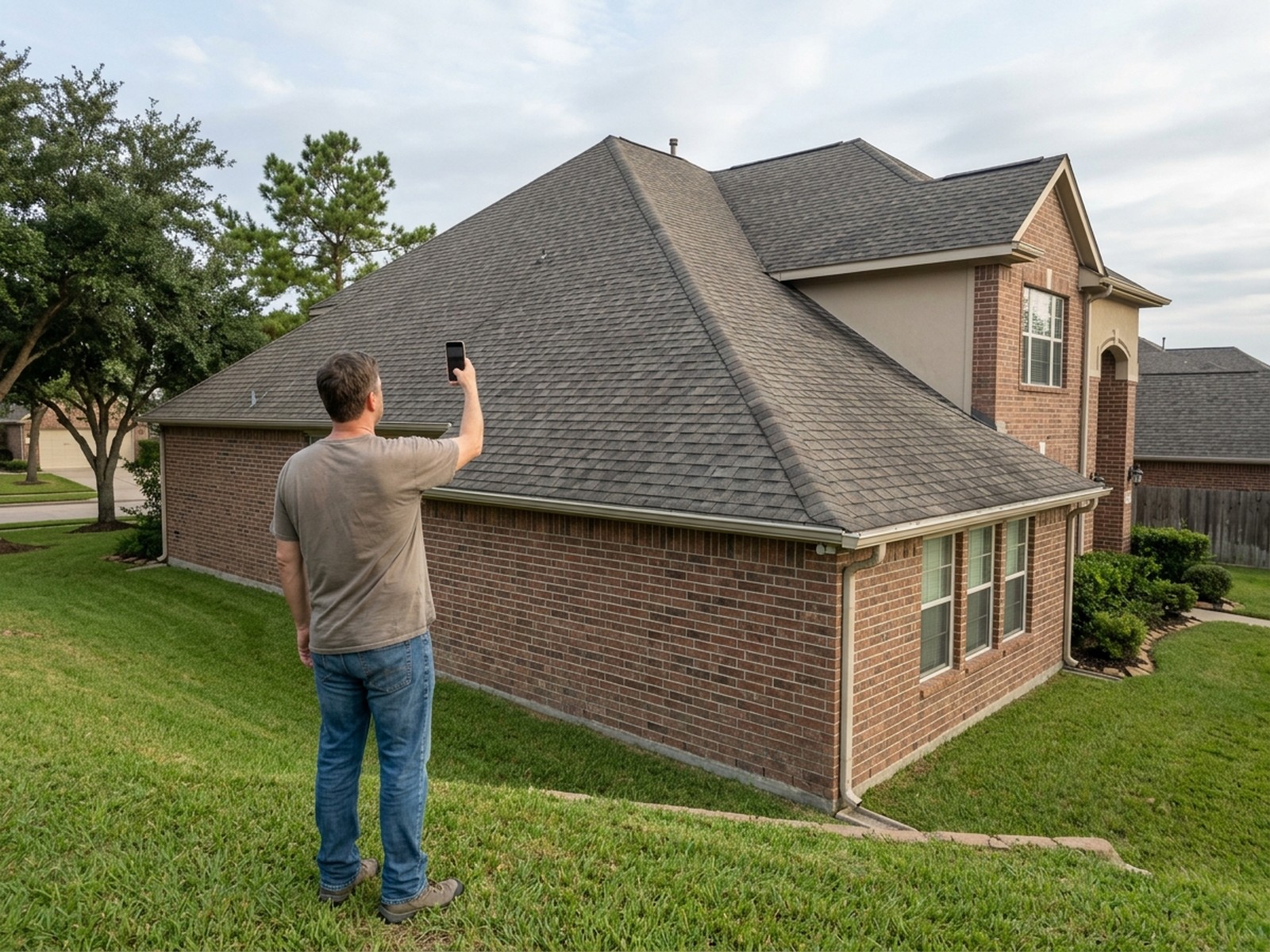
Most of what speeds a claim up happens on your side, and almost all of it is documentation.
- Report promptly and in writing. Policies generally require prompt notice of a loss, and TDI's storm recovery guidance treats speed as the rule. Get the claim number and the date in writing.
- Document before anything is touched. Photographs of the damage, the date, the storm, and any temporary repairs. Our guide to documenting roof storm damage covers what a useful photo set looks like.
- Make reasonable temporary repairs and keep every receipt. TDI's guidance tells homeowners to prevent further damage, and most policies expect it.
- Answer information requests the same week. This is the step that starts the 15 business day clock.
- Have a roofer at the adjuster inspection. Two people looking at the same roof with the same measurements produces far fewer disputes later.
- Keep a log. Date, who you spoke to, what was said, what was promised. When a claim goes sideways, the log is what makes the complaint credible.
What can you do if the insurance company misses a deadline?
You have escalation paths, and they are worth using in order rather than jumping to the last one.
Start with the carrier, in writing. Email or a letter that states the date you filed, the dates of every contact, what you have provided, and what deadline you believe has passed. A written record changes the tone of a claim more reliably than another phone call.
Ask for an appraisal if the dispute is about amount. Most Texas homeowners policies include an appraisal clause. TDI describes the mechanism: you and the insurance company each hire an appraiser, and the two appraisers then choose a third appraiser as an umpire. Appraisal resolves disagreements over the value of a loss, not over whether the loss is covered.
File a complaint with TDI. You can file a complaint about a homeowners insurance company and upload your photos and correspondence. TDI says companies have 15 days to respond to its inquiry and may ask for a 10-day extension. The Help Line is 800-252-3439.
Know the limits of a complaint. TDI states plainly that it cannot force payment of a claim unless the refusal violates the policy terms or the law, and that it cannot resolve factual disputes such as whether damage came from weather or from normal wear. That boundary is worth understanding before you file, because it tells you which problems TDI can actually fix.
Talk to a lawyer for the rest. Interest and attorney's fees for missed deadlines, bad-faith questions, and disputes over coverage rather than amount are legal matters. A roofing contractor should not be advising you on them, and any contractor who offers to handle your claim for you is offering something a roofer is not licensed to do in Texas.
What if the claim is denied rather than delayed?
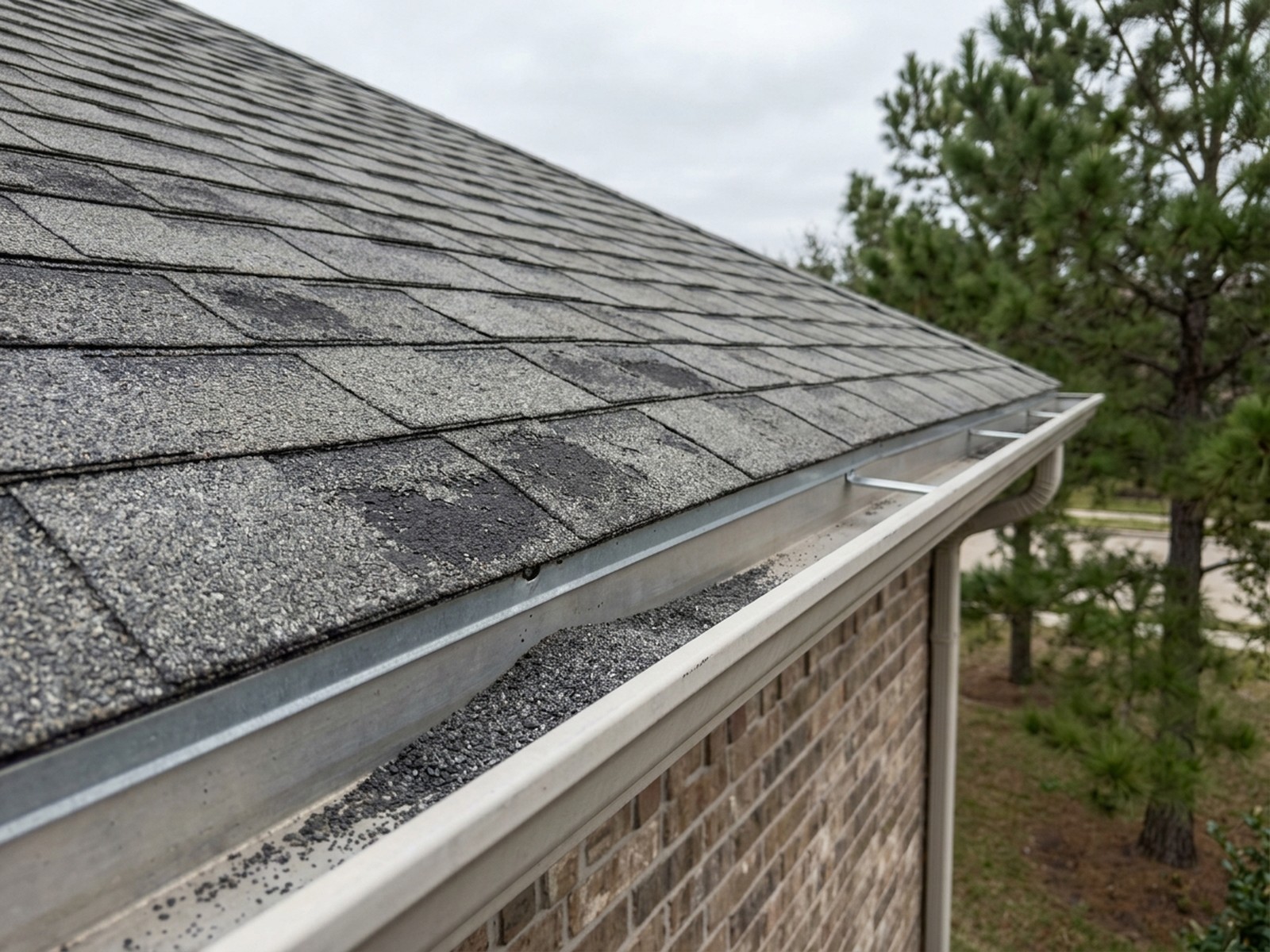
A denial is a different problem from a delay, and it has its own path. The denial has to be in writing, it has to give a reason, and the reason is the thing you work from.
Common reasons a roof claim gets denied include damage attributed to age, wear or deferred maintenance rather than a storm, damage below the deductible, a policy exclusion, late reporting, or insufficient evidence that the damage came from the claimed event. Each of those has a different response, and some of them are genuinely correct. Our page on what to do when a roof insurance claim is denied walks through the options.
What does not help is anyone, contractor or otherwise, suggesting you describe the damage differently than it is. Texas law also makes it an offense for a contractor to pay, waive, rebate or absorb your deductible, so a "we'll cover your deductible" pitch is not a favor, it is a request to put your name on insurance fraud.
How should a roofing contractor be involved in your claim?
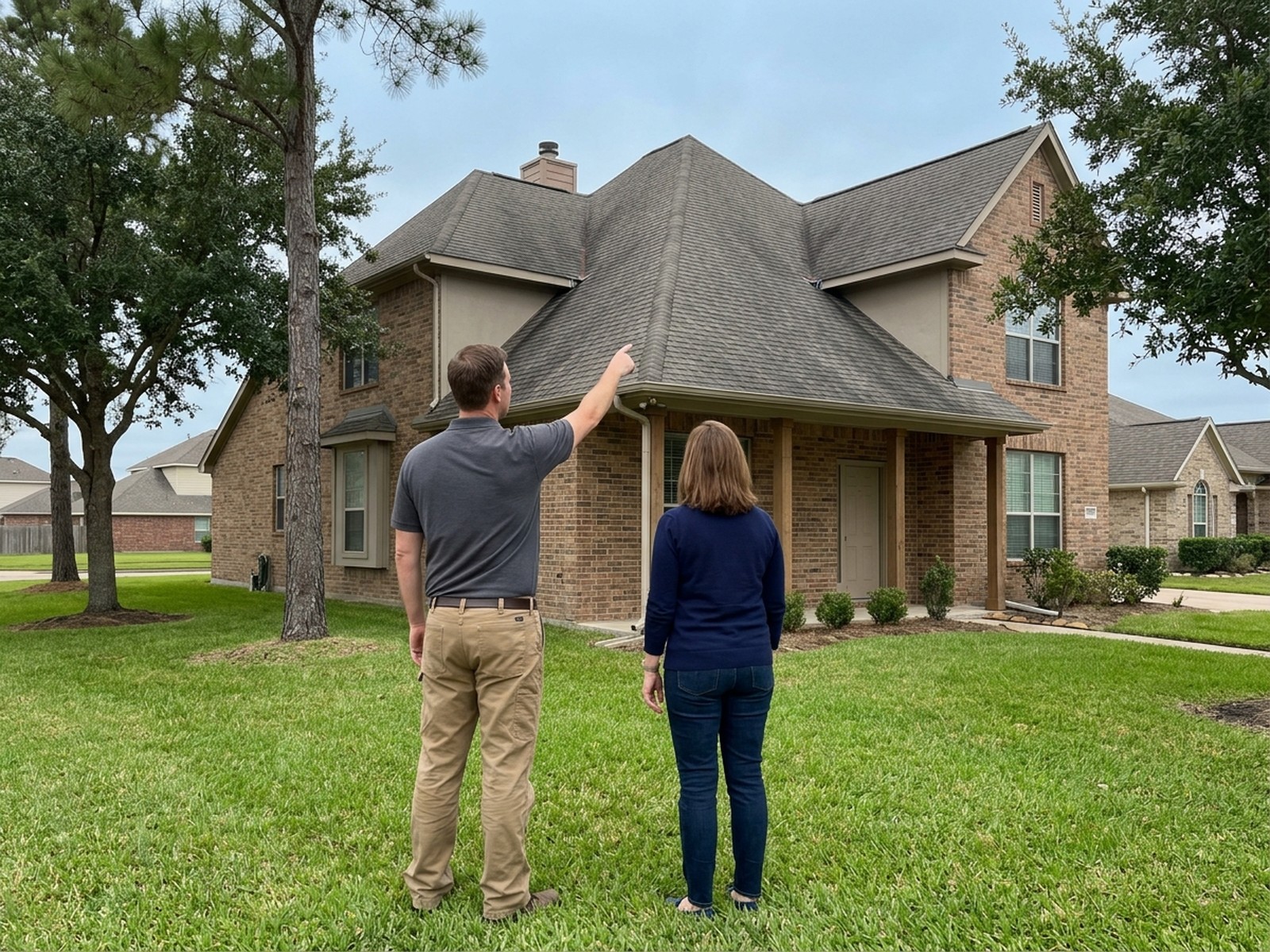
A roofer's job in a claim is to inspect, document and repair, and to be present and useful at the adjuster inspection. That is where a good contractor adds real value, because the adjuster is assessing a roof and your roofer is the person who knows what the damage means.
What that looks like in practice: a written, photographed inspection before you decide whether to file, a clear opinion on whether the damage is storm related or wear, attendance at the adjuster meeting, a scope that matches the actual repair, and supplements raised properly when something is found that the original scope missed.
What it does not look like is a contractor negotiating your claim on your behalf, promising an outcome, or offering to make the deductible disappear. We work claims by the book, which sometimes means telling a homeowner the damage is not worth filing. Our insurance claim help page explains how we handle it.
Frequently asked questions
How long does an insurance company have to pay a roof claim in Texas?
Five business days after it agrees to pay, according to TDI. Before that point the carrier has 15 days to acknowledge the claim and 15 business days to accept or deny it in writing once it has all the information it needs from you.
Why is my roof claim taking so long?
Most often because the carrier is still waiting on information, because a regional storm has backed up adjuster scheduling, or because a coverage question is being decided. Ask the carrier in writing what specifically is outstanding and what deadline they are working to.
Can the insurance company extend the deadline?
Yes. TDI says the company can take longer if it tells you it needs more time and tells you why, and deadlines may also be longer after a major disaster. What it cannot do is go quiet.
What is appraisal, and should I use it?
Appraisal is a policy mechanism for resolving disagreements about the amount of a loss, where each side hires an appraiser and the two appraisers select an umpire. It does not resolve whether something is covered. Check whether your policy has an appraisal clause and what it costs you before invoking it.
Does filing a TDI complaint hurt my claim?
Filing a complaint is a normal consumer step and TDI regulates the companies it takes complaints about. It cannot force a payment where the refusal is within the policy and the law, and it cannot decide factual disputes, so it works best when the issue is process rather than a disagreement about the damage itself.
Should I hire a public adjuster or a lawyer?
That depends on the size and nature of the dispute, and it is a decision to make with information about your own claim. A roofing contractor cannot advise you on it and should not be selling you on it.
Get the roof documented properly
A claim moves on evidence, and the evidence starts with the roof. Blue Rhino Roofing is Katy based and owner led, and a free roof inspection gives you a written, photographed record of what the storm actually did, before you decide whether to file at all.
Call (346) 733-8558 to schedule.

Shawn Swearingen
Shawn Swearingen leads Blue Rhino Roofing, a BBB A+ accredited, Texas-licensed roofing company based in Katy. He's on the roof and on the phone, and known for telling homeowners the straight truth about whether they need a repair or a replacement.