
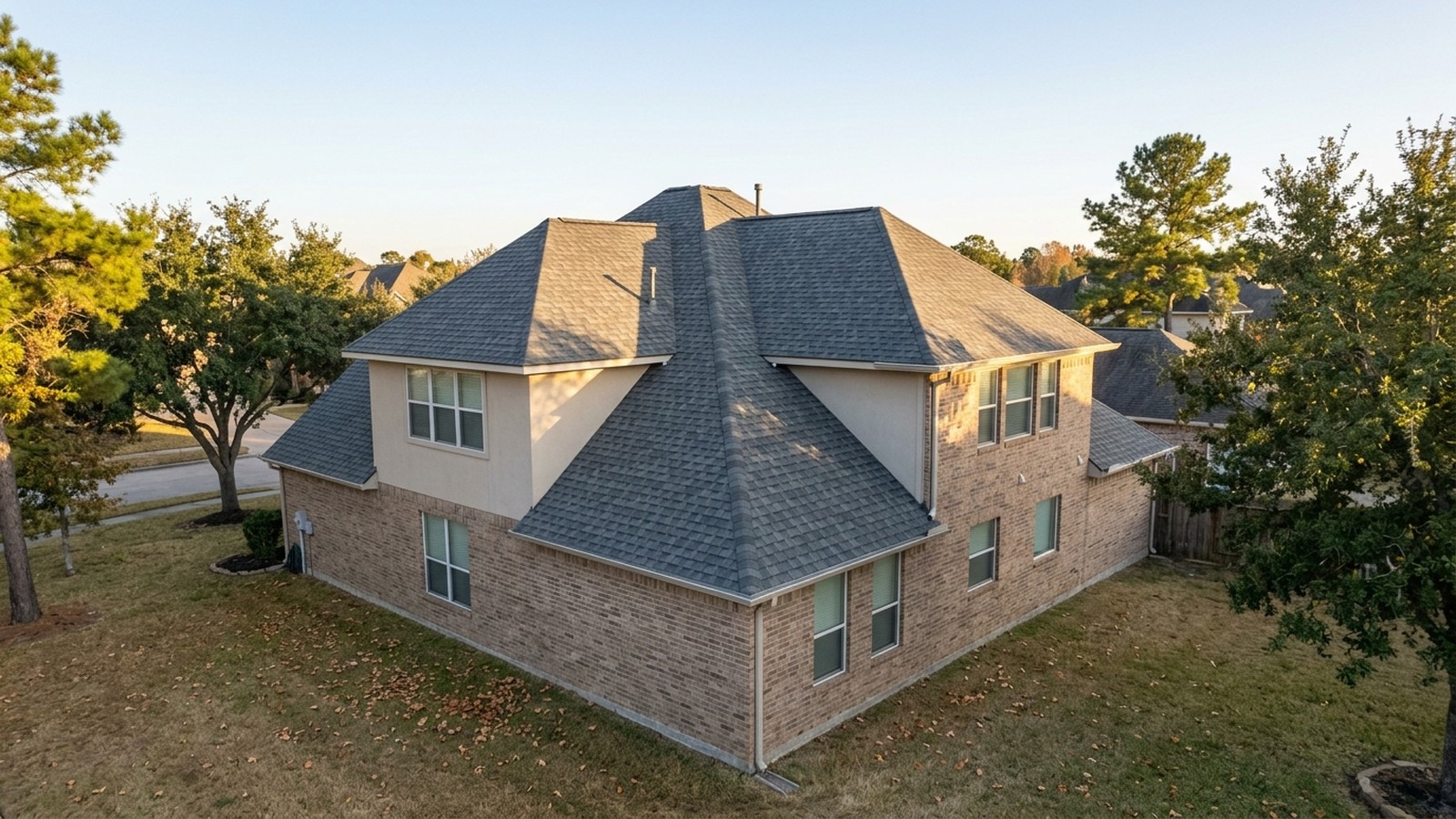
The best time to replace a roof in Katy is late fall through winter, after the Atlantic hurricane season ends on November 30 and before spring hail season starts, provided the install lands on a dry day. Katy winters are mild enough for asphalt shingles. Cold days change how the shingles are sealed, not whether the job can be done.
If you already know the roof has to go, the real choice is between booking now and waiting for spring. This guide walks through each Katy season, what temperature changes a shingle install, when waiting is the wrong call, and how HOA approval, permits and the holidays fit into the schedule.
When is the best time of year to replace a roof in Katy?
The best time of year to replace a roof in Katy runs from November through February, because that window sits between the end of hurricane season and the start of the spring storm season. A roof can be replaced in any month here. What changes from season to season is the weather risk on install day and how many other homeowners are trying to book at the same time.
| Season in Katy | What the weather is doing | What it means for a roof replacement |
|---|---|---|
| Spring (March to May) | Hail and severe thunderstorms | Storm damage sends a wave of claims and inspections across the area at once, and rain days interrupt tear-offs |
| Summer (June to August) | Heat, humidity, afternoon storms, early hurricane season | Shingles seal fast, but crews work in dangerous heat and pop-up storms threaten an open roof |
| Early fall (September to October) | Peak of hurricane season | A tropical system can cancel a week of work with little notice |
| Late fall and winter (November to February) | Mild days broken by short cold fronts | Steadier scheduling, with cold-weather sealing steps on the cooler days |
Spring is the hardest season to plan around. Texas recorded 902 major hail events in 2025, the most of any state, according to the Insurance Information Institute's count of hailstones one inch or larger. When a hailstorm crosses west Houston, a lot of roofs need attention in the same few weeks.
Summer is good for shingles and hard on people. OSHA lists roofing work among the outdoor jobs where workers suffer heat-related illness, and notes that thousands of workers get sick from occupational heat every year. A Katy afternoon in July is not the day you want a crew rushing to close up your roof.
The roof replacement itself does not change by season. The tear-off, decking check, underlayment and shingles go on the same way in January as in June.
Can you replace a roof in the winter in Texas?
Yes, you can replace a roof in the winter in Texas, and in the Katy area winter is one of the easier seasons to do it. The National Weather Service's 1991 to 2020 normals for Houston Hobby put the normal January high at 63 to 64°F and the normal low at 46°F. Most winter days are warm enough to work normally.
The exceptions are the days right behind a strong cold front. Those mornings can start near or below freezing, and frost on the roof deck has to burn off before anyone should walk it. The Asphalt Roofing Manufacturers Association advises waiting until the roof surface is free of ice and frost because the build-up can be nearly invisible and makes sloped work extremely hazardous.
Rain is the bigger winter variable. A roof should not be opened if rain is expected before it can be dried in, so a wet week pushes the start date.
What temperature is too cold to install shingles?
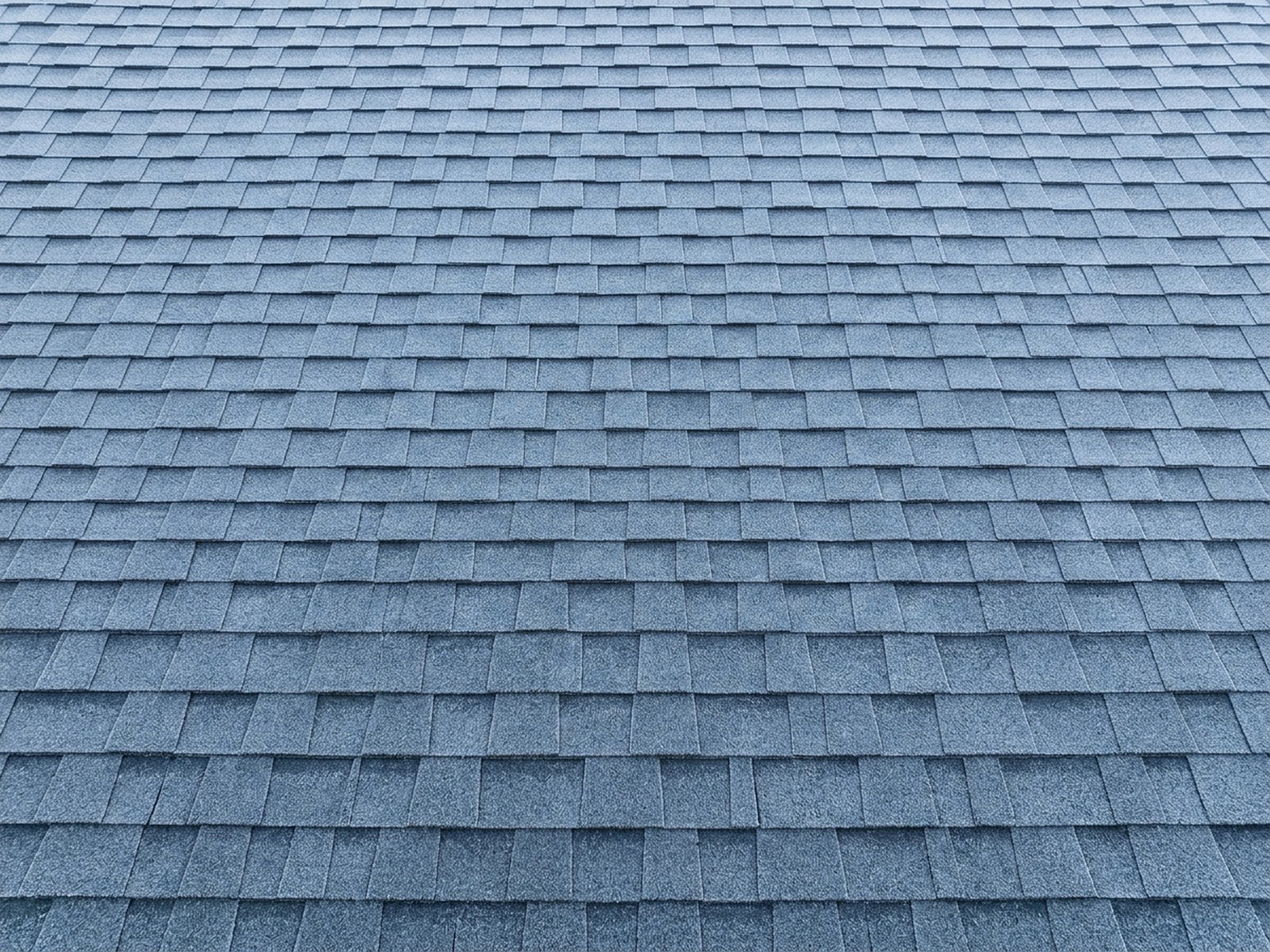
The temperature that is too cold to install shingles the normal way is 40°F, the point where manufacturers switch to cold-weather procedures. Shingles can still go on below it, but they need extra steps to seal. Owens Corning's technical bulletin applies its cold-weather installation steps when air and surface temperatures are at or below 40°F, and other manufacturers publish their own limits in their installation instructions.
The reason is the sealant strip. Most asphalt shingles carry a thermally activated strip that bonds each shingle to the course below once the sun warms it. Owens Corning notes that shingles installed in cold weather may not seal until warmer temperatures arrive, and that sealing time depends on location, roof slope, orientation to the sun and the average daily temperature after installation.
Cold-weather steps close that gap until the sun does its job:
- Hand-sealing. The Owens Corning bulletin calls for hand-sealing shingles along the entire roof perimeter with four 1-inch dabs of asphalt roof cement under each laminate shingle.
- Careful handling. ARMA warns that shingles become less flexible as the temperature drops and may crack when bent, so hips, ridges and valleys get extra care.
- Open metal valleys. ARMA suggests considering them in cold weather, since woven and closed-cut valleys require shingles to bend.
In Katy the extra steps apply on the colder days behind a front, not the whole season. A shingle installed on a cool, cloudy day seals once a warm, sunny stretch arrives, and the hand-sealed perimeter holds against wind in the meantime.
Why is late fall a good window once hurricane season ends?
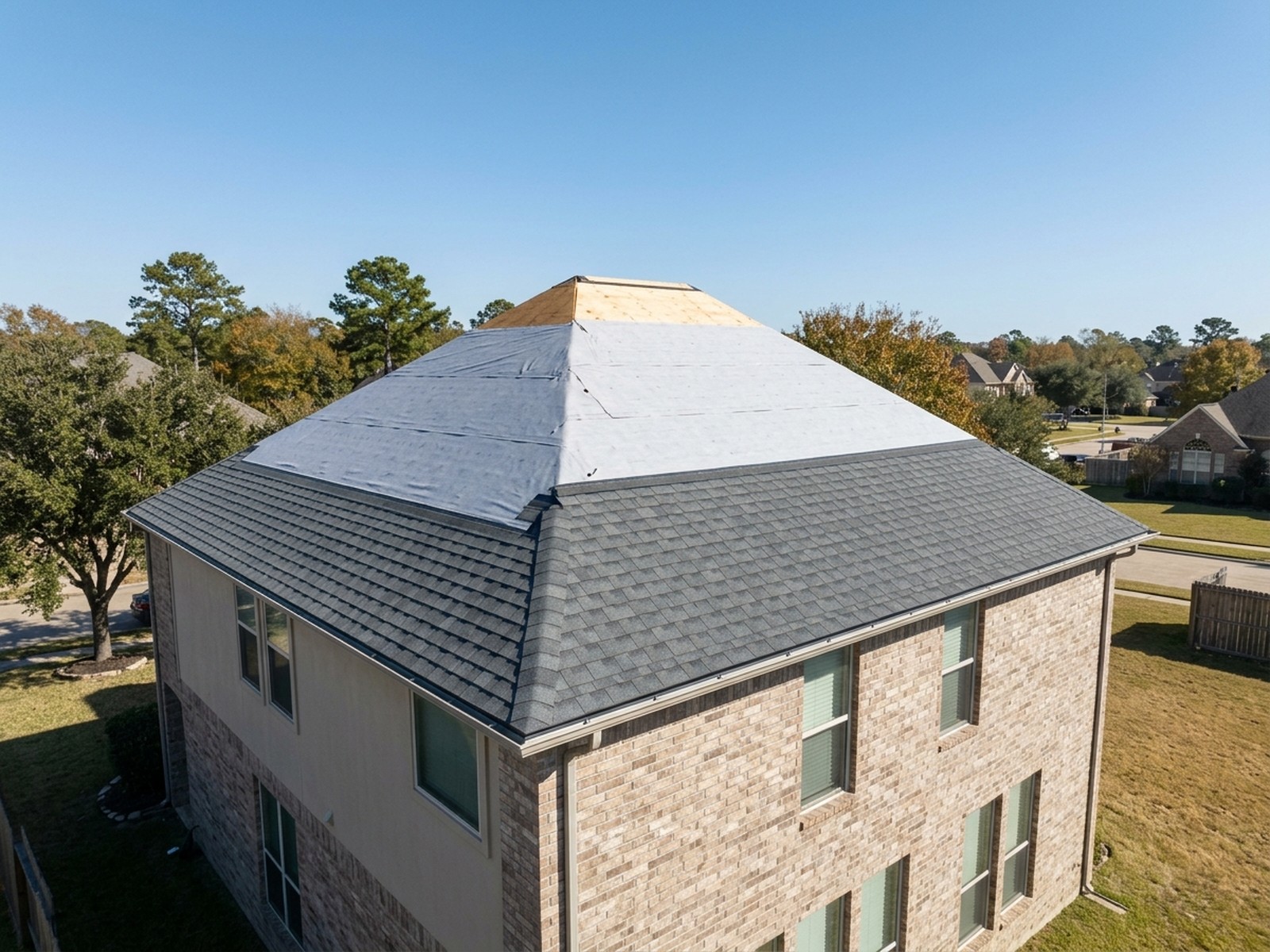
Late fall is a good window because the Atlantic hurricane season officially ends on November 30, which removes the biggest scheduling threat on the Gulf Coast. The National Hurricane Center's climatology puts the peak of the season at September 10, with most activity between mid-August and mid-October. By late November that risk has largely passed.
Timing also helps the new roof. A replacement finished over the winter has the warm, sunny days of spring to seal every shingle before June 1, so it meets its first tropical season as a settled roof.
Our hurricane roof preparation guide covers what to check before the season starts, and a roof replaced over the winter goes into that checklist new.
When should you not wait for a better season?
You should not wait for a better season when the roof is already letting water in or has open storm damage. A good season is a reason to schedule a planned replacement. It is never a reason to leave a leak, a missing section of shingles or exposed decking through another round of rain.
Book the work now, or get the roof stabilized first, if you see:
- An active leak, or ceiling stains that grow after each rain
- Shingles missing down to the underlayment or the deck
- A tarp that has been on longer than a temporary fix should be
- Soft or sagging spots in the roof deck
- Fresh hail or wind damage that has not been inspected
For water coming in today, roof leak repair or a temporary dry-in comes before any talk of seasons. The replacement can follow on a schedule once the house is protected.
An insurance claim sets its own clock. The Texas Department of Insurance advises homeowners to report damage to their insurer as soon as possible, make temporary repairs to prevent more damage, save the receipts, and avoid permanent repairs before the adjuster has seen the damage. Your policy sets its own deadlines, so read it and ask your carrier before you pick a season.
How do you plan a replacement around HOA approval, permits and the holidays?
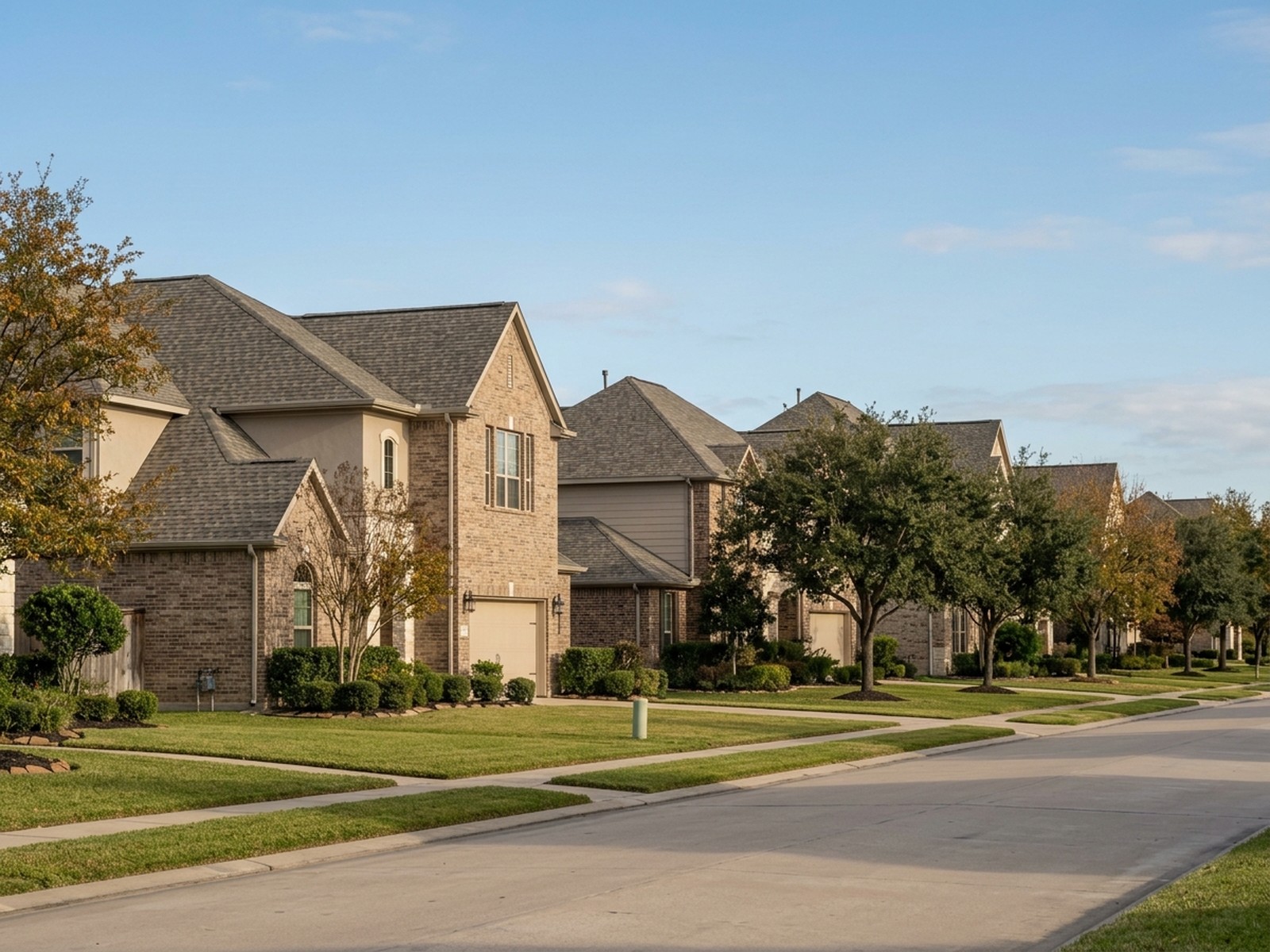
You plan a replacement around HOA approval, permits and the holidays by starting the paperwork two to three weeks before the install date you want. Blue Rhino Roofing's own roof replacement timeline puts a typical asphalt shingle job at 1 to 3 days on the roof and about 2 to 3 weeks from the first call to cleanup. Permits and materials take up most of that time.
- Get the inspection and written estimate. The scope, the shingle line and the color all have to be settled before anything can be submitted.
- Check your HOA's architectural rules. Many Katy master-planned communities review roofing material and color before work starts. Your deed restrictions or the HOA's design guidelines say what needs approval and how to submit it.
- Confirm who pulls the permit. Permit turnaround varies between the City of Katy, Fort Bend County and Harris County, so ask your roofer which office handles your address.
- Pick the install window. A roof day is loud from tear-off to cleanup. Plan around Thanksgiving, holiday travel and the weeks your family is home.
- Keep a rain date. Leave a few days of slack for a wet forecast.
Submitting the HOA paperwork a few weeks ahead keeps the approval from landing in the middle of holiday travel.
What should you ask a roofer about a cool-weather install?
You should ask a roofer how they handle shingles on days below 40°F, because the answer tells you whether they follow the manufacturer's instructions or just hope the sun shows up. ARMA notes that most building codes require following the manufacturer's installation instructions, including the cold-temperature steps.
Questions worth asking before you sign:
- Do you hand-seal shingles when the temperature is at or below 40°F, and where?
- Whose installation instructions are you following for this shingle line?
- What happens if rain moves in after tear-off has started?
- Who submits the HOA paperwork and who pulls the permit?
- How will damaged decking be handled and priced if you find it?
A local crew answers these from experience with Katy weather. Blue Rhino Roofing is owner-led and based in Katy, and every replacement starts with an inspection, a written estimate and a clear scope. If the honest answer is that your roof has a few good years left, that is what the inspection should say.
Frequently asked questions
Is it cheaper to replace a roof in winter?
Not reliably. A roof's price comes from its size, pitch, material, decking condition and tear-off, and those do not change with the season. Our guide to roof replacement cost in Texas breaks down what actually drives the number.
Do new shingles seal in cold weather?
New shingles seal once the sun warms the sealant strip, which can take until the next warm, sunny stretch after a cold install. Owens Corning notes that cold-weather shingles may not seal immediately, which is why manufacturers call for hand-sealing at or below 40°F.
Can a roof be replaced in the rain?
No. A roof should not be torn off when rain is expected before the deck can be dried in, and a wet week simply moves the start date. Blue Rhino's timeline guide states plainly that the crew will not lay a roof in the rain.
How far ahead should I book a roof replacement?
Plan on about two to three weeks between the first call and the install, longer if your HOA has to approve the shingle color. Submitting it a few weeks ahead gives the paperwork time to clear before the holidays.
Should I replace my roof before or after hurricane season?
Replace a failing roof before hurricane season, and schedule a planned replacement after it. A roof installed between December and spring gets months of sun to seal before June 1, while a roof that is already leaking should not be asked to survive another season.
Does an insurance claim change the timing of a roof replacement?
Yes. If the replacement is part of a claim, your policy's deadlines and the adjuster's inspection set the schedule, not the weather. TDI advises reporting damage quickly and making only temporary repairs until the adjuster has seen it.
Plan the replacement on your schedule
If the roof needs replacing and you would rather do it while the weather is steady, the first step is a written, photographed assessment of what the roof needs. A free roof inspection from Blue Rhino Roofing gives you the scope and the estimate, with no pressure to book a date.
Call (346) 733-8558 to schedule.

Shawn Swearingen
Shawn Swearingen leads Blue Rhino Roofing, a BBB A+ accredited, Texas-licensed roofing company based in Katy. He's on the roof and on the phone, and known for telling homeowners the straight truth about whether they need a repair or a replacement.